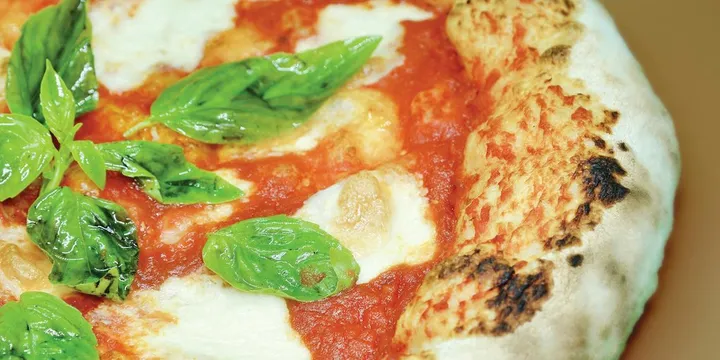
Montanara Pizza Recipe: Naples' Flash-Fried Then Baked Pizza
Authentic Naples montanara recipe — Neapolitan dough flash-fried at 350°F until puffed, then topped Margherita-style and finished under high heat. Plus the Starita-Caporuscio history.
Authentic Naples montanara recipe — Neapolitan dough flash-fried at 350°F until puffed, then topped Margherita-style and finished under high heat. Plus the Starita-Caporuscio history.
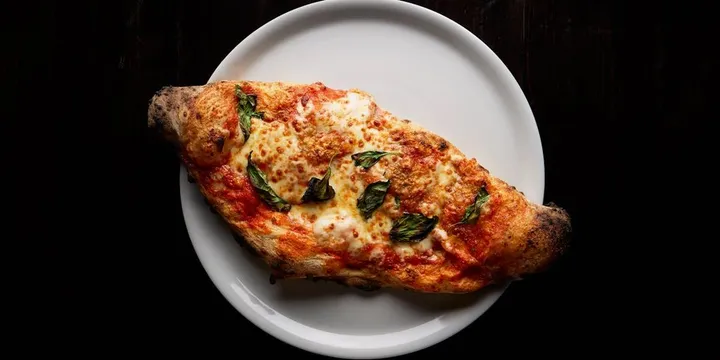
Authentic Neapolitan pizza fritta recipe — 60-65% hydration dough, ricotta and smoked provola filling, deep-fried at 350°F. Plus the post-war Naples history that made it famous.
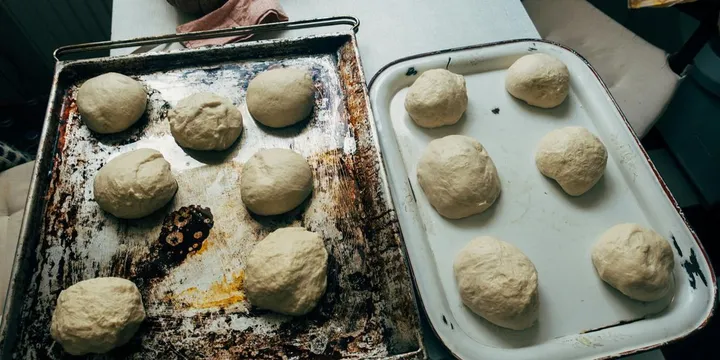
Maturation and fermentation aren't the same thing. Yeast inflates the dough, enzymes soften it. Why the distinction changes how you handle cold-fermented pizza.
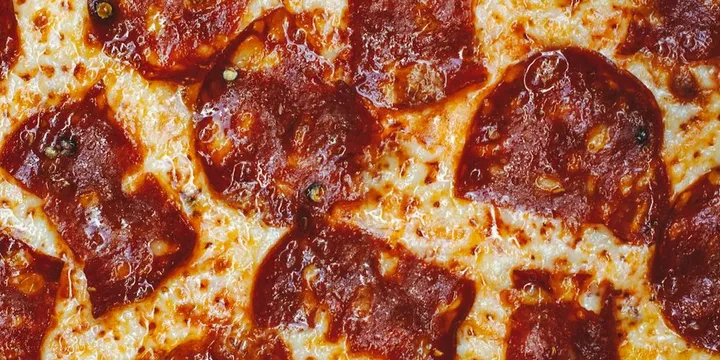
Tough, chewy pizza crust has six root causes -- protein mismatch, under-fermentation, low hydration, over-kneading, over-baking, or wrong flour for your oven. Diagnose yours here.
The DDT formula takes the guesswork out of water temperature. Calculate it in two minutes for consistent fermentation every time.
Tony Gemignani's Master Dough with his Tiga starter is the foundation recipe from The Pizza Bible. A 3-day process that produces pizza crust with more flavor complexity and better structure than any straight dough.
Over-proofed pizza dough is fixable. Learn the poke test, visual cues, and the gentle re-ball technique that brings slack dough back to life.
Not all fats behave the same in pizza dough. The science of crystalline vs liquid fat explains why butter and lard outperform olive oil for oven spring.
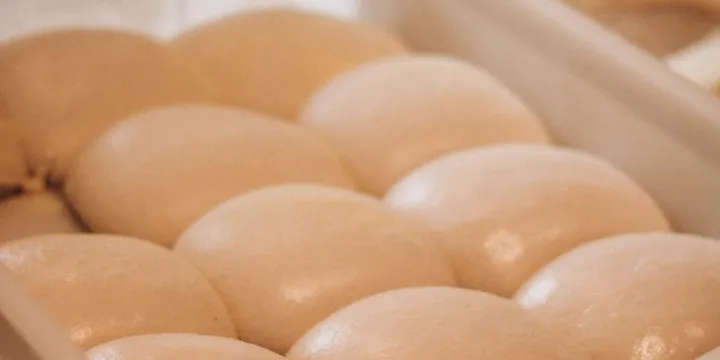
Freeze pizza dough after balling and cold ferment for up to 2 months. Gemignani's water-thaw method and the complete freeze-thaw timeline explained.
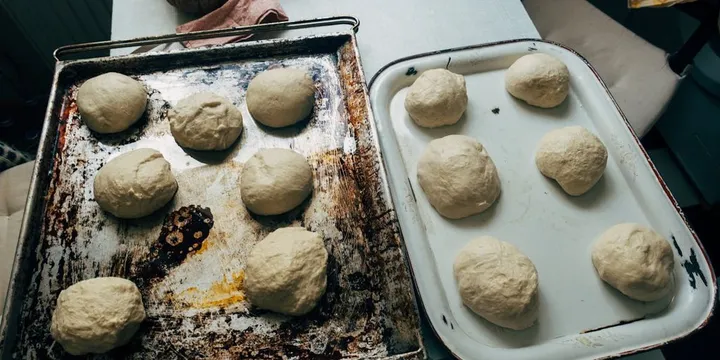
Ken Forkish's same-day pizza dough recipes from The Elements of Pizza. Two variants -- Saturday (8 hours) and I Slept In (6 hours) -- using tiny yeast amounts and full-day room-temperature fermentation.
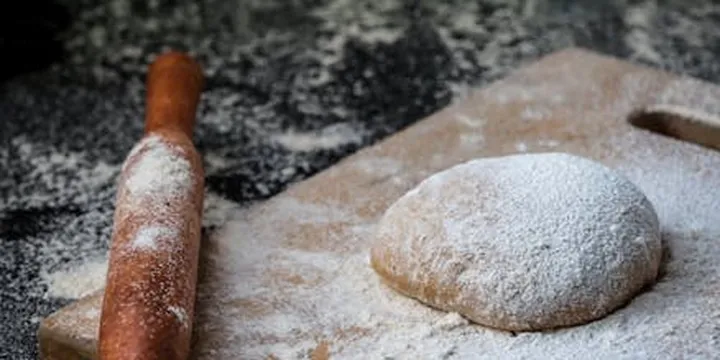
500g of flour makes 2-3 pizzas for most home bakers. The variable is dough ball size, not hydration. Here's the exact math by style and oven.
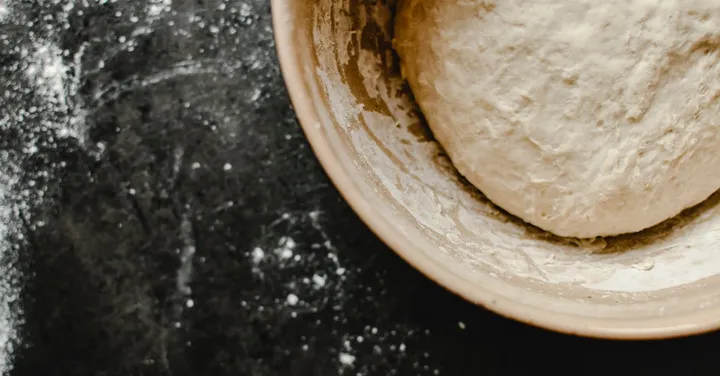
The 48-72 hour sweet spot explained. What actually happens to your dough during cold fermentation, and how to get the best results at every timeline.
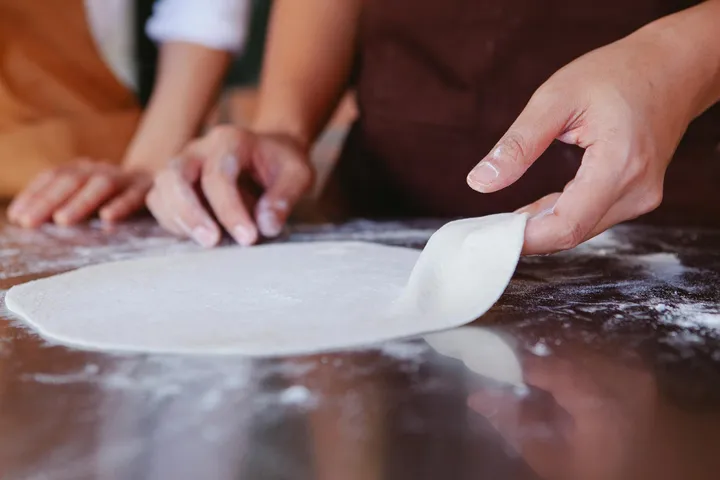
Pizza dough that snaps back during stretching is under-matured -- the gluten network is too tight. Here are the four causes and their specific fixes, from tempering to extended proofing.
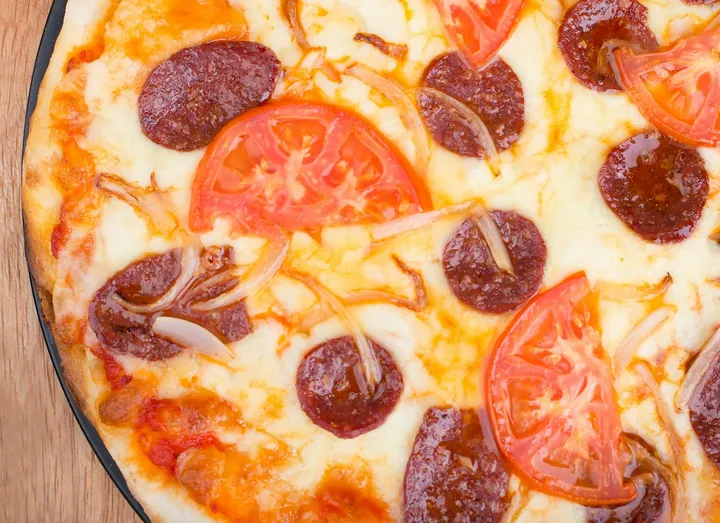
J. Kenji Lopez-Alt's foolproof pan pizza: no kneading, no stretching, no peel. Press dough into an oiled cast-iron skillet, cold ferment 8-24 hours, and bake at 550F. The exact formula with baker's percentages and the science behind the fried crust.
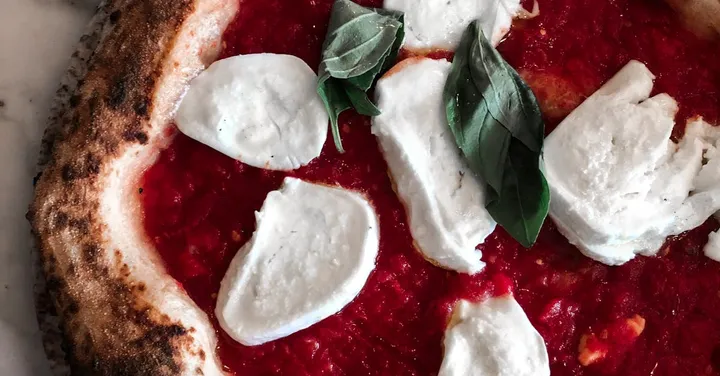
The definitive home-oven Neapolitan Margherita — 70% hydration dough, two-stage bake, and Napoletana sauce. Synthesized from Forkish, Iacopelli, and Gemignani.
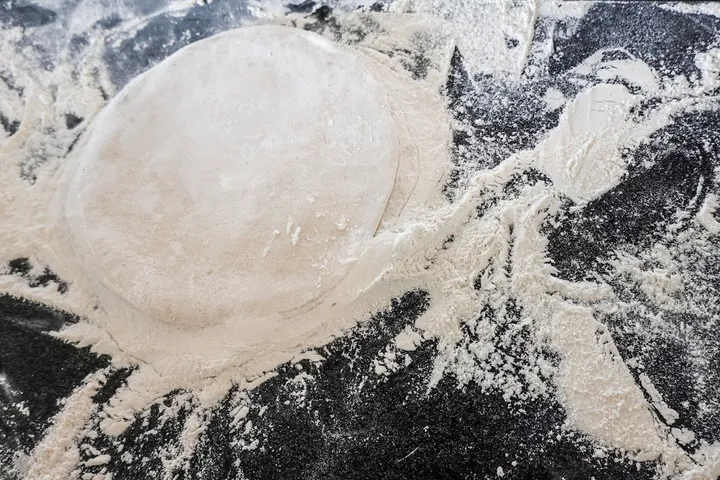
Ken Forkish's most-used pizza dough recipe from The Elements of Pizza. Four ingredients, 10 minutes of work, 24-48 hours of cold fermentation. The exact formula with baker's percentages and the science behind every number.
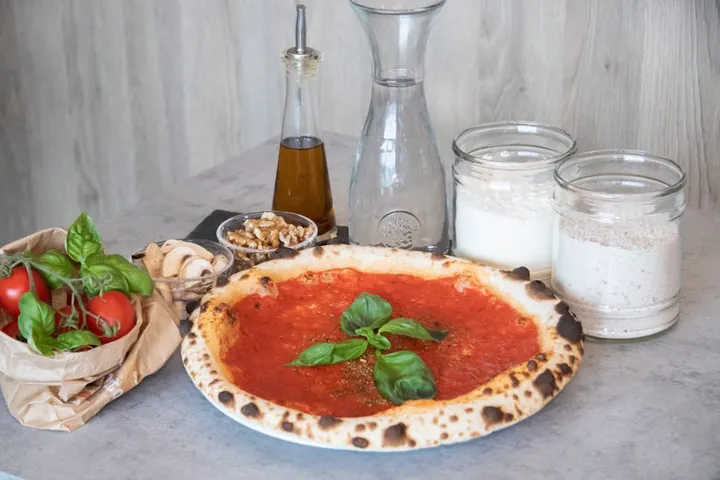
Bread flour makes excellent Neapolitan pizza at home -- and often outperforms 00 flour in home ovens. Here's exactly what to adjust and why.
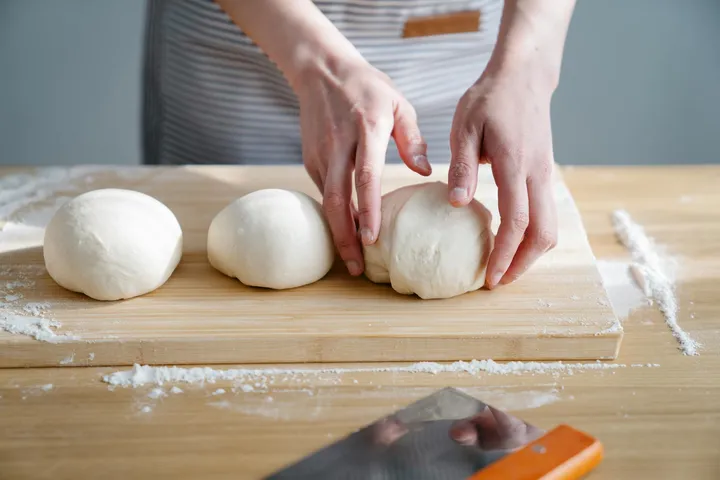
Your dough has been sitting on the counter for three hours and it looks exactly the same as when you mixed it. No bubbles, no expansion, no life....
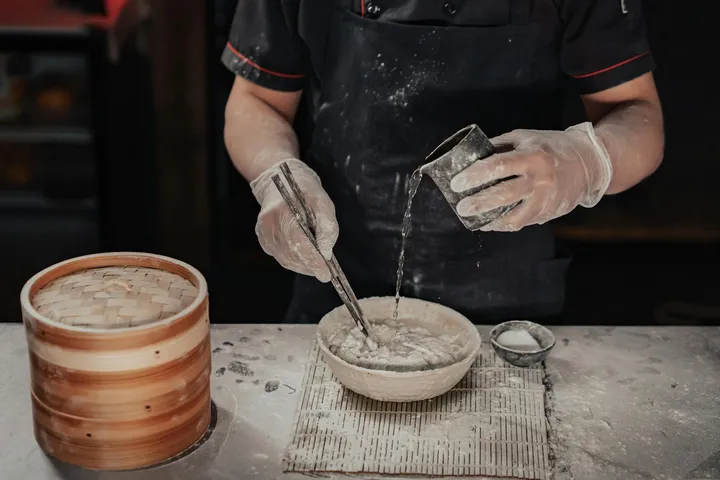
Water is the second-largest ingredient in pizza dough by weight. It constitutes 55-75% of the flour weight in most formulas. And yet, no ingredient...
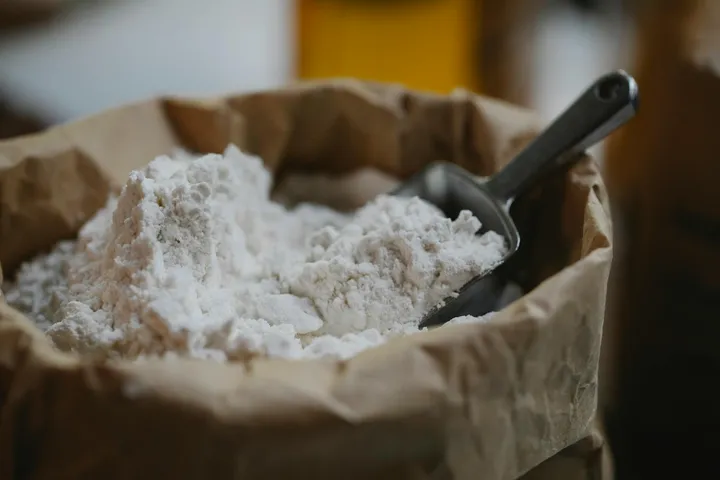
Protein percentage is the metric American bakers know. It's printed on every bag, discussed in every recipe, and used as shorthand for flour strength....
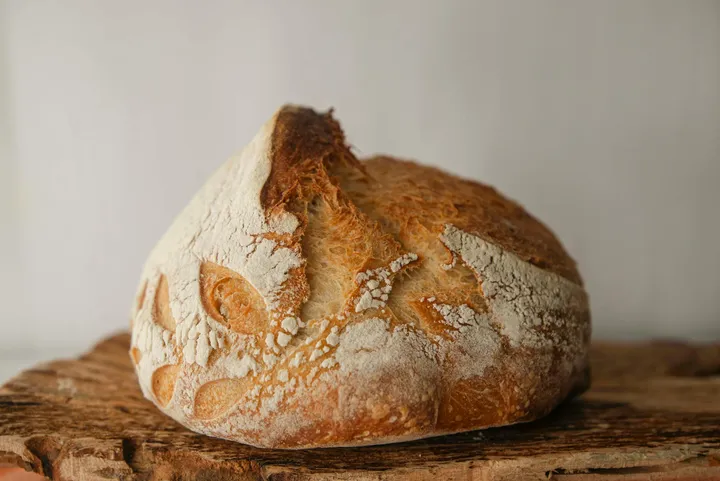
If you maintain a sourdough starter for bread, you already have the most powerful flavor tool available for pizza dough. Sourdough pizza produces a...
Making pizza for two people is technique. Making pizza for twenty people is logistics. The dough science does not change when you scale up. Everything...
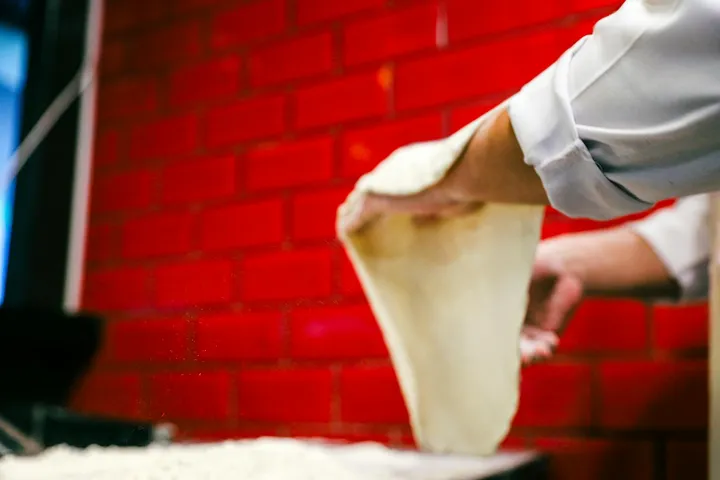
Salt is one of four ingredients in the simplest pizza dough, yet it's doing more work than the other three combined. Remove the yeast and your dough...
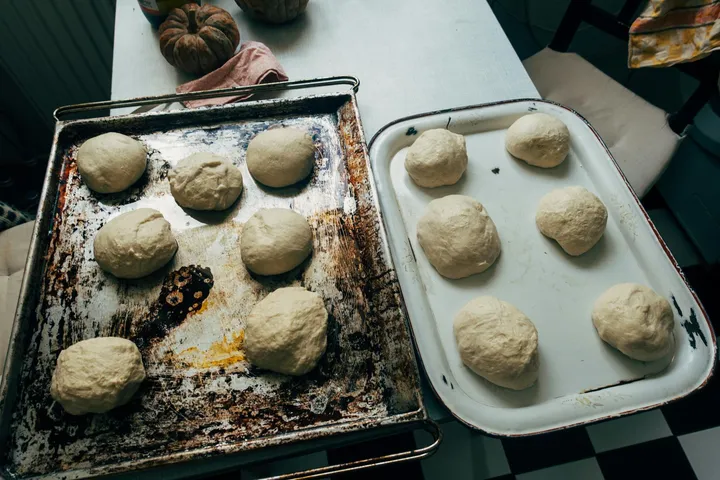
A preferment is a portion of the final dough's flour and water, mixed with a small amount of yeast, and fermented hours before you make the dough...
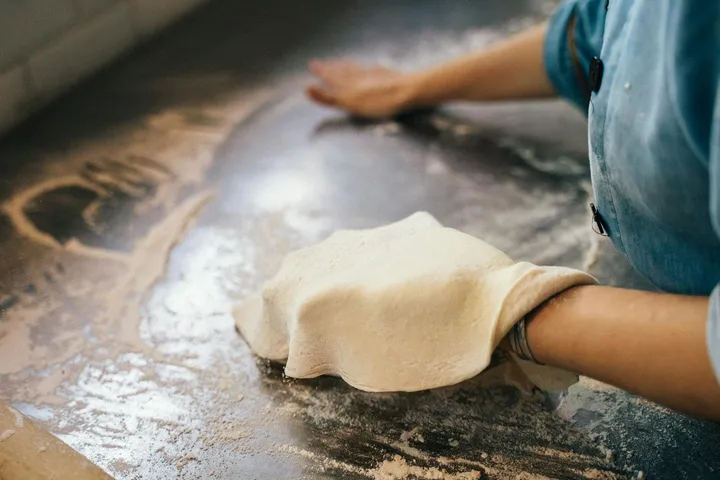
Most pizza dough problems fall into four categories: sticky, tough, dense, or bland. Each has specific causes rooted in the interaction between flour,...
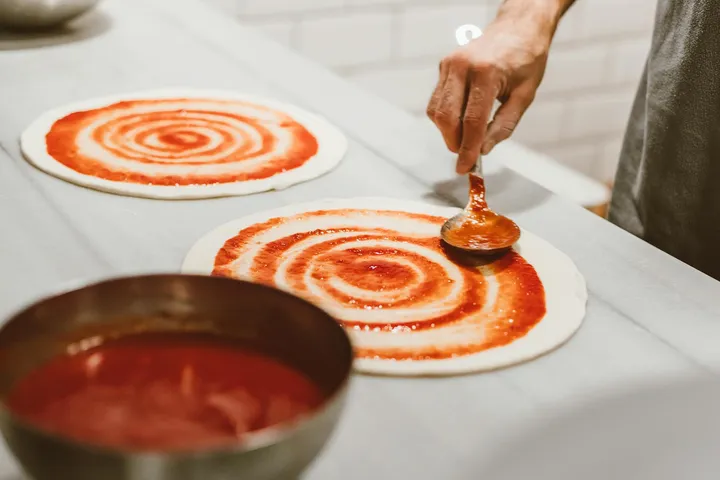
Cups and tablespoons are the enemy of consistent pizza dough. A "cup of flour" can weigh anywhere from 120g to 160g depending on how you scoop it. That...
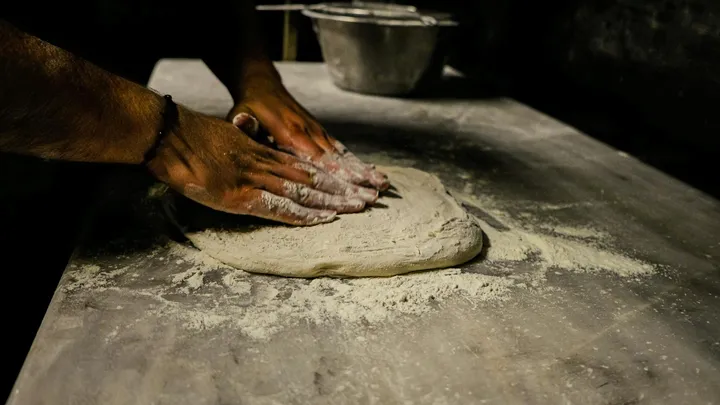
There are three fundamentally different ways to develop gluten in pizza dough, and they produce noticeably different crusts. Hand mixing gives you...
Hydration is the single number that determines more about your pizza than any other variable in your dough formula. It controls how the dough handles...
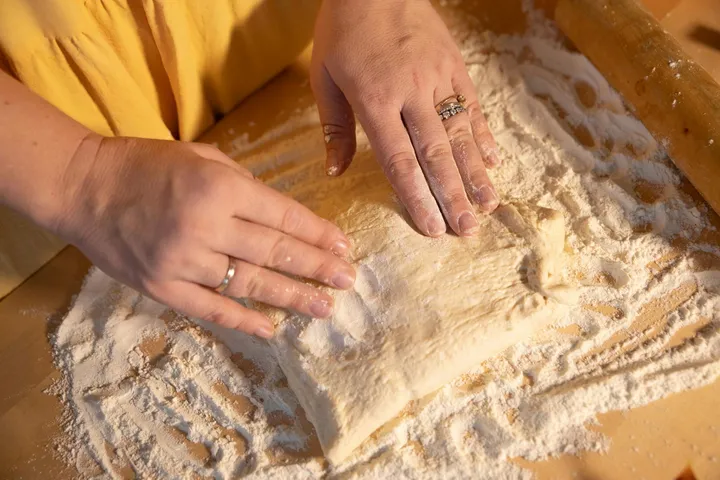
If there is one technique that separates memorable pizza from forgettable pizza, it is cold fermentation. Not better flour, not a more expensive oven,...
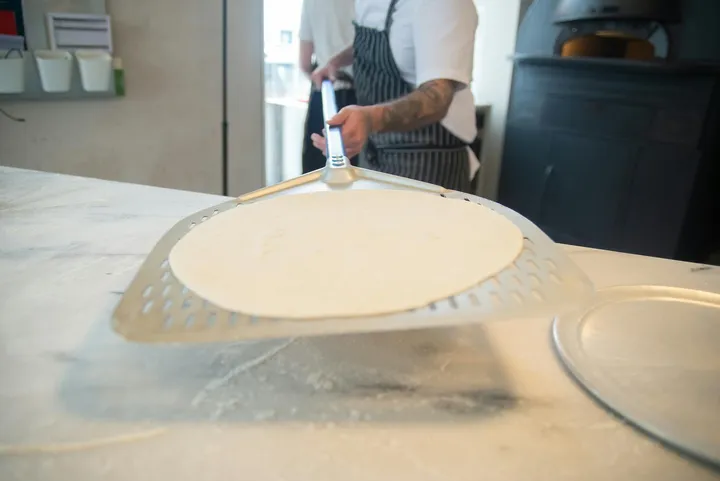
This is the gateway recipe. If you've never made pizza dough before, or if every recipe you've tried felt like too many steps, too many ingredients, or...
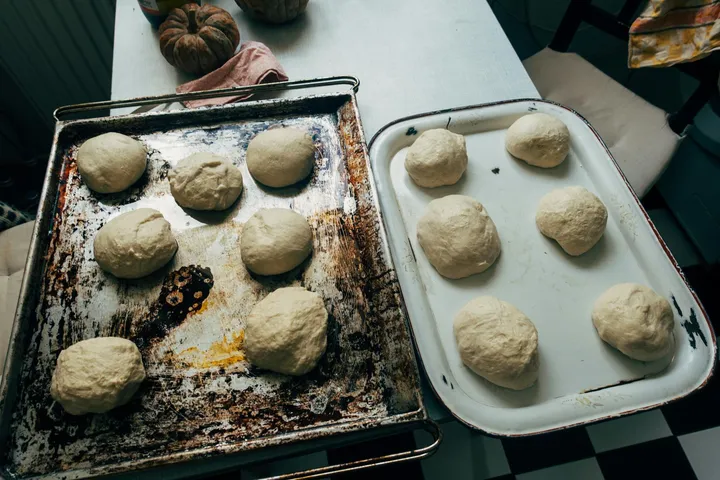
The most common question in home pizza making -- "how long should I proof my dough?" -- has no single answer. Proofing time depends on yeast quantity,...
Caputo is the most recognized flour brand in pizza making. Walk into any Neapolitan pizzeria — in Naples, New York, or Tokyo — and you'll likely find...
Flour is the foundation of every pizza dough, and choosing the wrong one for your style and oven is a mistake that no amount of technique can overcome....
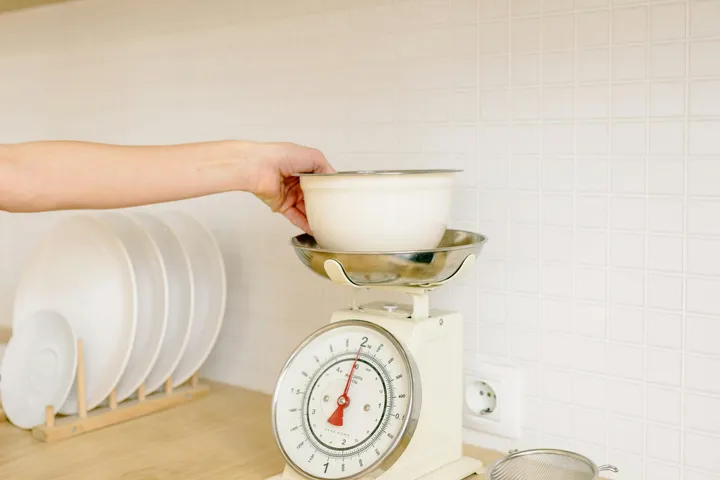
If you have ever tried to replicate a pizza recipe and gotten a completely different result, the problem is almost certainly how the recipe was...
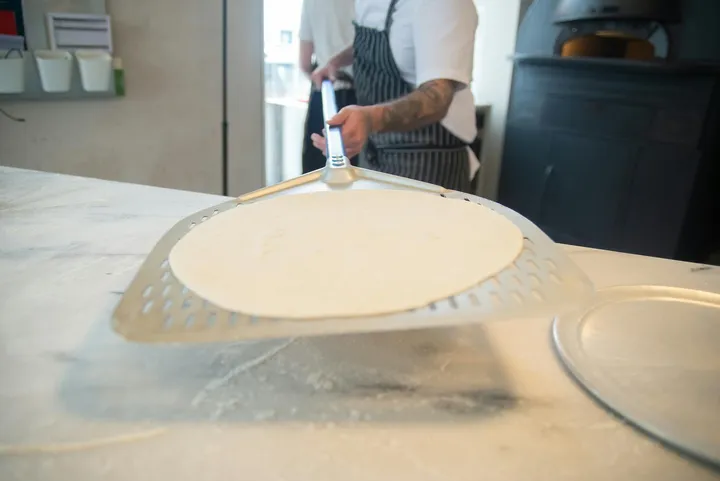
The autolyse is the least intuitive step in dough-making. You mix flour and water, then you walk away. No yeast yet. No salt. Just flour and water...