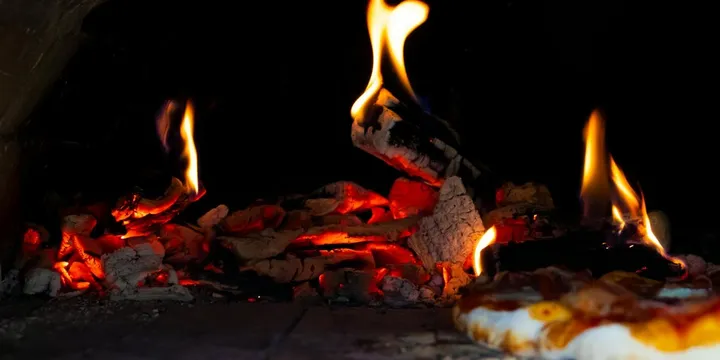
Oven Floor Emissivity: Why Sooty Bakes Gentler Than Clean
A clean firebrick oven floor scorches pizza bottoms more than a sooty one. The reason is emissivity — and once you understand the number, you'll stop scrubbing your stone.
The chemistry, physics, and biology behind what makes pizza taste the way it does.
A clean firebrick oven floor scorches pizza bottoms more than a sooty one. The reason is emissivity — and once you understand the number, you'll stop scrubbing your stone.
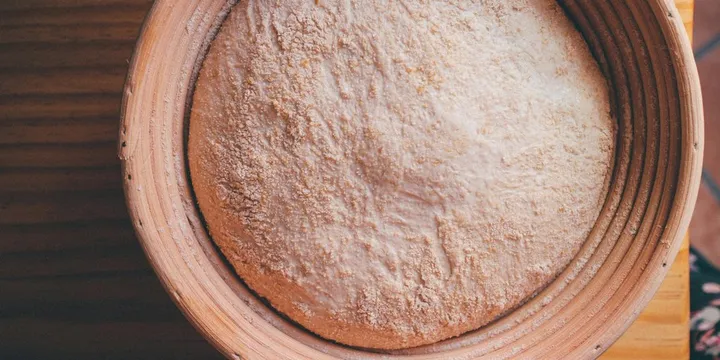
Cold-fermented pizza dough tastes sharper than same-day dough because temperature controls which bacteria dominate and which acids they produce.
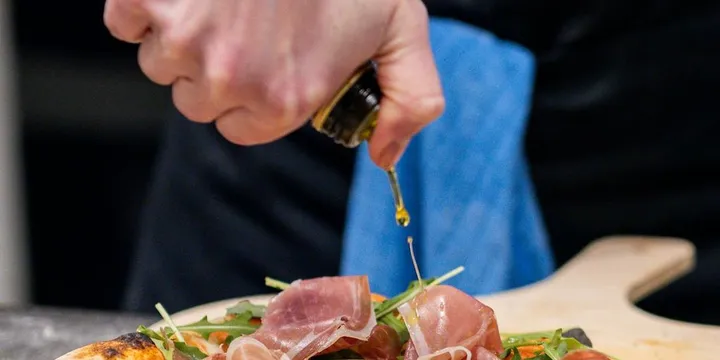
The timing of olive oil on pizza determines which compounds survive. Post-bake finishing preserves phenolics and volatiles that baking destroys.
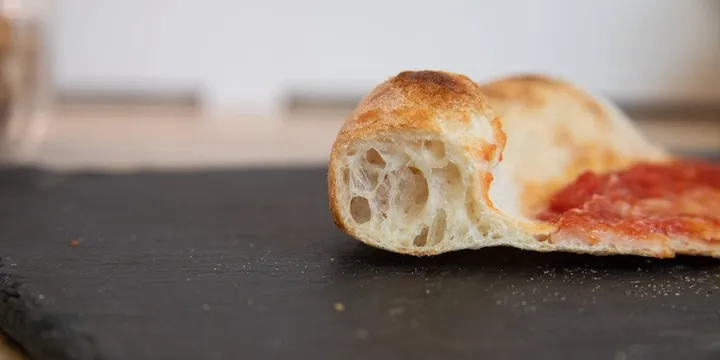
Starch gelatinization transforms soft pizza dough into rigid, sliceable crust between 50-70C. Learn how water migration, retrogradation, and flour choice shape every bite.
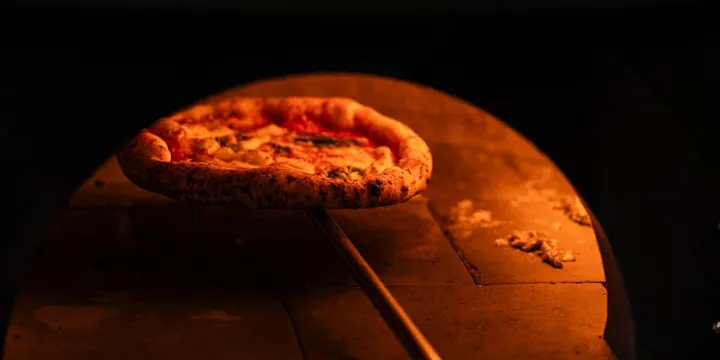
Lab-tested findings from 12,000 pizzas debunk common beliefs about wood flavor, NYC water, 00 flour, digestibility, and more.
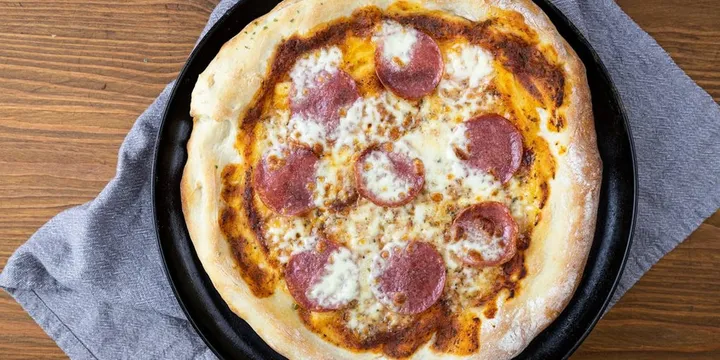
Diastatic malt powder transforms home-oven pizza crust from pale to golden-brown. Learn the science, dosage, and when to skip it.
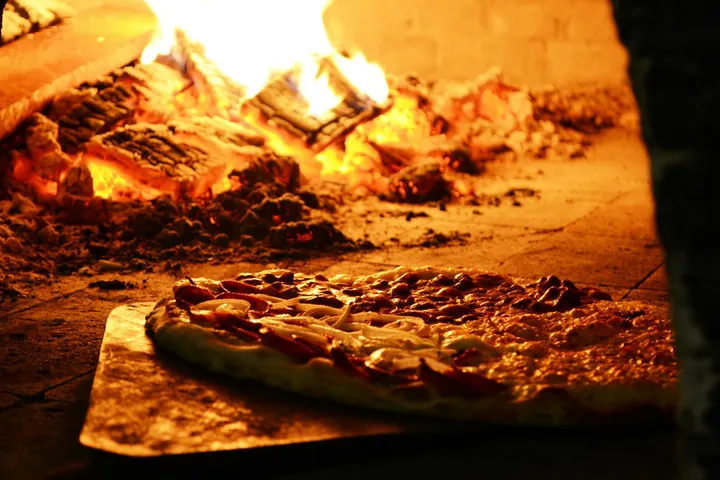
A 500F home oven and a 500F wood-fired oven produce completely different pizzas. The home oven takes 7-8 minutes and dries the crust out. The...
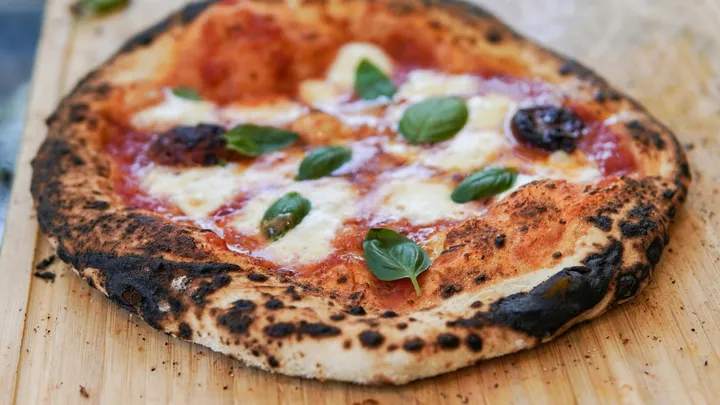
Every time you pull a pizza from the oven, you're looking at the results of two completely different chemical reactions happening simultaneously on the...
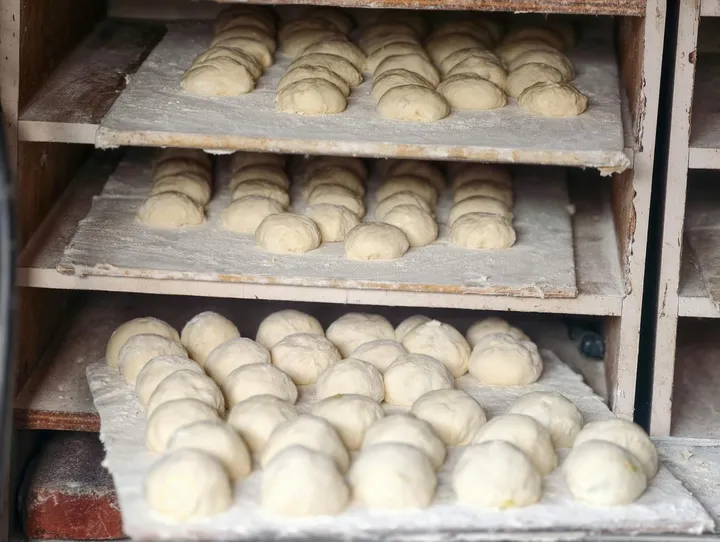
Yeast is the engine of pizza dough. It produces the carbon dioxide that creates bubbles, the ethanol that contributes flavor precursors, and the...
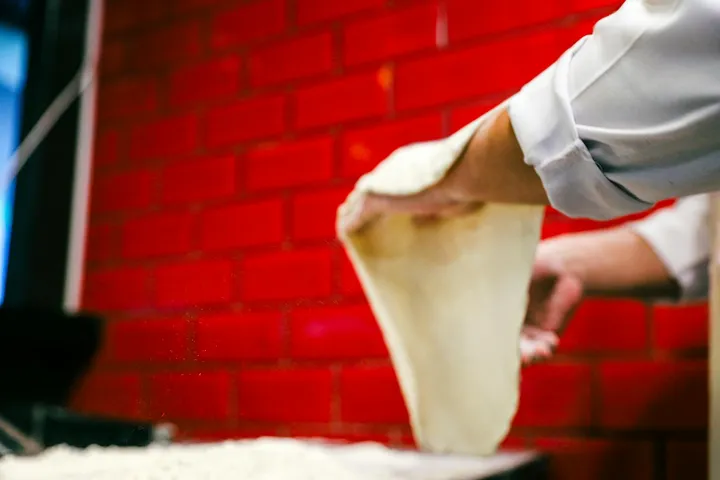
Every pizza technique -- mixing, kneading, resting, fermenting, stretching -- is either building, maintaining, or deliberately weakening the gluten...