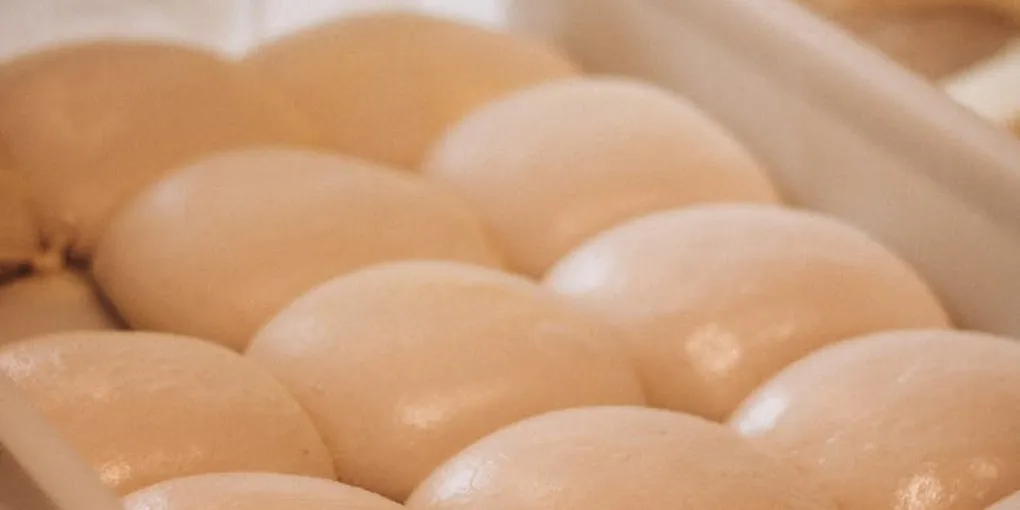
Freezing pizza dough is the single best way to have pizza night on demand. A freezer stocked with properly prepared dough balls means you are 2-3 hours away from pizza at any point, no planning required. But the “properly prepared” part matters enormously. Freeze dough at the wrong stage and you get a dense, flavorless disc. Thaw it wrong and it tears, won’t stretch, or bakes unevenly.
The method that works — tested and documented by Tony Gemignani — involves freezing dough that has already been balled and cold-fermented for 24 hours. Not raw dough straight from the mixer. Not bulk dough that hasn’t been portioned. Balled, fermented dough. That single decision determines whether your frozen pizza dough performs like fresh or like cardboard.
When to Freeze: After Balling and Cold Ferment
This is the most important step and the one most people get wrong. The instinct is to freeze dough right after mixing — get it in the freezer before fermentation starts, preserve everything. That instinct is backwards.
Here is what happens during a 24-hour cold ferment: at 4C (39F), yeast drops to roughly 10% of its room-temperature activity, but the enzymes in flour — amylase, protease, lipase — retain 40-50% of their activity. Over those 24 hours, amylase converts starch into sugars (the fuel for Maillard browning), protease breaks down gluten proteins into free amino acids (making the dough extensible and easier to stretch), and lipase adds depth to the flavor profile. Over 50 distinct flavor compounds form during cold fermentation that simply do not exist in same-day dough.
Freezing locks in whatever state the dough is in at the moment it enters the freezer. If you freeze before fermentation, you lock in bland, tight, undeveloped dough. If you freeze after 24 hours of cold ferment, you lock in all that flavor development and extensibility.
The protocol:
- Mix your dough using your preferred recipe
- Divide and ball into individual portions
- Cold ferment for 24 hours in the fridge — covered, sealed, in individual containers or on a sheet pan with plastic wrap
- Then freeze
This order is non-negotiable if you want good results. The overnight cold ferment does the heavy lifting. The freezer just preserves it.
How to Wrap for the Freezer
Air is the enemy. Exposed dough develops freezer burn within days — the surface dries out, ice crystals form, and the outer layer becomes a tough, leathery shell that won’t integrate with the rest of the dough during thawing.
For each dough ball:
- Lightly oil the surface — a thin coat of olive oil prevents the plastic from bonding to the dough
- Wrap tightly in plastic wrap — press the wrap directly against the dough surface, squeezing out as much air as possible
- Place wrapped balls in a freezer bag — heavy-duty zip-top bags. Squeeze out remaining air before sealing
- Label with the date and dough type — you will forget. Write the date, the flour used, and the hydration if you track it
Double-wrapping (plastic wrap plus freezer bag) is not optional. The plastic wrap conforms to the dough surface and eliminates air pockets. The freezer bag provides a second barrier against moisture loss and odor absorption. Dough picks up freezer smells faster than you would expect.
If you are scaling dough for a party and want to freeze the surplus, this wrapping method works for any quantity. Individually wrapped balls stack neatly and you can pull exactly how many you need.
How Long Frozen Dough Lasts
Up to 2 months. That is Gemignani’s tested limit. Beyond two months, ice crystal formation progressively damages the dough structure and the yeast population. The dough will still be edible past two months, but the texture and rise quality degrade noticeably.
This is generous compared to most frozen foods. Two months means you can batch-prep dough once a month and always have a supply on hand. A reasonable approach: make a double or triple batch of your usual dough recipe, use what you need for that week, freeze the rest.
The Thawing Debate: Three Methods
This is where it gets interesting. There are three common thawing approaches, and the best one is counterintuitive.
Method 1: Gemignani’s Water Thaw (Recommended)
This sounds wrong, but it works and it is faster than the alternatives.
- Unwrap the frozen dough ball completely — remove the freezer bag and the plastic wrap
- Place the naked frozen ball directly in 80F (27C) water for 15 minutes
- Remove from water, place on a lightly oiled sheet pan
- Let it temper at room temperature for 1.5-2 hours until it reaches 60-65F
The water contact speeds thawing by roughly 30 minutes compared to air thawing alone, because water transfers heat far more efficiently than air. But the real benefit is moisture: the dough absorbs a small amount of water through its surface, which keeps the exterior hydrated. This prevents the dried-out skin that forms during air thawing, and the result is a dough ball that produces a higher rise and a crisper bake than fridge-thawed or counter-thawed dough.
80F is the target — not hot, not cold. Water that is too warm will activate the yeast unevenly (warm exterior, frozen core) and can partially cook the outer layer. 80F feels barely warm to the touch.
Method 2: Fridge Overnight
Move the wrapped dough ball from the freezer to the refrigerator the night before you plan to bake. It will thaw slowly over 8-12 hours. The next day, pull it out and temper at room temperature for 1-2 hours before shaping.
This method is convenient — no active work required — but the dough surface tends to dry out even through the wrapping, and you lose about a day of lead time. It is a perfectly acceptable fallback when you remember the night before.
Method 3: Counter Thaw
Set the wrapped dough on the counter and let it thaw at room temperature. This takes 2-3 hours depending on ball size and ambient temperature. It works, but the outside thaws and begins fermenting while the core is still frozen, creating an uneven dough ball. The outer layer can become sticky and over-proofed while the center remains stiff.
Of the three, Gemignani’s water method produces the most consistent results. The fridge method is the most convenient. The counter method is the least reliable.
The Expert Disagreement: Does Freezing Kill Yeast?
This is one of the few topics where respected pizza authorities genuinely disagree. The answer matters because it determines how you think about your frozen dough and what to expect from it.
Gemignani: Yes, Freezing Damages Yeast
Gemignani’s position is unambiguous: “Freezing causes the moisture in the cells to expand, which can break the cell wall and kill the yeast.” The ice crystals that form inside yeast cells during freezing rupture the cell membranes. Some yeast survives, but the population is reduced. This is why frozen dough rises less aggressively than fresh dough and why the 2-month limit exists — the longer the freeze, the more yeast dies.
This is physically accurate. Water expands roughly 9% when it freezes. Yeast cells are microscopic and have thin cell walls. The expansion can absolutely rupture them.
Masi: Freezing Is Fine
Masi’s approach permits freezing dough at -18C for up to 3 months. His framework implies that enough yeast survives to produce adequate fermentation after thawing. This aligns with the commercial pizza industry, where frozen dough balls are standard inventory.
Myhrvold: Freezing Kills Yeast, But Who Cares About the Yeast?
Myhrvold takes the most creative position. He acknowledges that freezing kills yeast and lactic acid bacteria. But his insight is that the flavor compounds survive freezing even when the organisms that created them do not. He uses this principle for his frozen levain technique: freeze sourdough starter (or over-ripe levain) in ice cube trays, store for up to 2 months, then thaw and add to dough along with 0.4-0.5% instant dry yeast to replace the dead yeast.
The result is a shortcut to sourdough-flavored pizza without maintaining a live starter. The frozen levain cubes contribute all the complex organic acids and flavor compounds that took days to develop, and the commercial yeast handles the leavening. It is pragmatic and clever.
What This Means for You
The practical takeaway: expect frozen dough to rise somewhat less than fresh dough. Give it a full 1.5-2 hours of tempering after thawing, and if the rise seems sluggish, allow extra time. The flavor will be there — that was locked in during the cold ferment before freezing. The leavening might need a little patience.
Myhrvold’s Frozen Levain Hack
This deserves its own section because it solves a real problem. Maintaining a sourdough starter is a commitment. It needs regular feeding, it produces discard, and if you forget about it for two weeks, it may die or develop off-flavors. Myhrvold’s frozen levain method sidesteps all of that.
The process:
- Take active, mature levain — either your own starter at peak activity, or even over-ripe levain that has passed its window
- Pour into ice cube trays and freeze solid
- Transfer frozen cubes to a freezer bag, label with the date
- To use: thaw the number of cubes you need, add them to your dough along with 0.4-0.5% instant dry yeast (relative to flour weight)
The frozen levain contributes flavor. The IDY contributes leavening. Frozen levain cubes last up to 2 months in the freezer.
This is particularly useful if you bake pizza irregularly. Instead of keeping a starter alive between baking sessions, freeze a batch of levain when your starter is healthy and draw from it as needed. The flavor compounds — the lactic acid, acetic acid, and dozens of aromatic byproducts that give sourdough its character — survive the freeze intact. The yeast and bacteria do not, but that is what the commercial yeast is for.
Post-Thaw Handling: The Cold Dough Problem
You have thawed your dough. It is soft, it looks ready. The temptation is to start shaping immediately. Resist that temptation.
Cold dough tears. The gluten network tightens in the cold and fats stiffen, making the dough rigid and prone to ripping rather than stretching. If you try to open a cold dough ball, you will fight it the entire way and likely end up with holes and uneven thickness.
Gemignani’s Commandment #5 is direct: never put cold dough in a hot oven. Cold dough placed in a hot oven produces large, uneven bubbles in the first 2-3 minutes of baking. The outer surface sets before the interior gas has distributed evenly, creating a pizza with blown-out sections and flat, dense sections right next to each other.
The minimum tempering time after thawing is 20-30 minutes at room temperature. Gemignani recommends 1-2 hours to reach 60-65F. If you have an instant-read thermometer, use it — poke the center of the dough ball and check. When the core reads 60-65F, you are ready to shape.
How to tell when thawed dough is ready to use (Iacopelli’s maturity signs):
- The ball has expanded visibly — small bubbles should be visible on the surface
- The bottom shows gassy holes when you carefully turn the ball over
- The dough feels soft, pliable, and relaxed — it stretches easily without snapping back
If the dough snaps back aggressively when you try to stretch it, it needs more time. Cover it, walk away for 15-20 minutes, and try again. If you are troubleshooting other issues, the same patience applies.
Putting It All Together
The complete freeze-thaw cycle looks like this:
Prep day: Mix dough, divide into balls, refrigerate for 24 hours.
Freeze day: Wrap each ball in oiled plastic wrap, place in freezer bags, label, freeze. Good for up to 2 months.
Pizza day: Pull dough from freezer. Unwrap, place in 80F water for 15 minutes. Transfer to oiled sheet pan, temper at room temperature for 1.5-2 hours. Check for maturity signs. Shape and bake.
Total active time on pizza day: about 5 minutes of handling plus 2 hours of waiting. The dough does the work. You just have to freeze it at the right stage and thaw it the right way.
Sources: Gemignani, The Pizza Bible (2014); Masi et al., The Neapolitan Pizza: A Scientific Guide (2015); Myhrvold & Migoya, Modernist Pizza Vol 1 (2021); Forkish, The Elements of Pizza (2016); Iacopelli, YouTube (2019-2023).
Frequently Asked Questions
- Can you freeze pizza dough?
- Yes. Pizza dough freezes well for up to 2 months if you freeze it at the right stage. The key is to freeze after balling and completing a 24-hour cold ferment -- not right after mixing. Freezing locks in whatever flavor and texture development has occurred, so dough frozen before fermentation will thaw as bland, tight, undeveloped dough. Dough frozen after a 24-hour cold ferment retains all the flavor compounds and extensibility that formed during that fermentation window.
- Does freezing kill yeast in pizza dough?
- This is genuinely debated among experts. Gemignani says yes -- freezing causes moisture in yeast cells to expand, which can break cell walls and kill the yeast. Water expands about 9% when frozen, which can rupture yeast cell membranes. Masi permits freezing at -18C for up to 3 months, implying enough yeast survives. Myhrvold takes a different angle: freezing kills yeast and bacteria, but the flavor compounds they produced survive intact. In practice, expect frozen dough to rise somewhat less vigorously than fresh dough and give it extra tempering time after thawing.
- How long can frozen pizza dough last in the freezer?
- Up to 2 months at standard freezer temperature. That is Gemignani's tested limit. Beyond two months, progressive ice crystal formation damages the dough structure and kills more of the remaining yeast. The dough is still safe to eat past two months, but the rise quality and texture degrade noticeably. Label your freezer bags with the date so you can track this.
- What is the best way to thaw frozen pizza dough?
- Gemignani's water method produces the best results: unwrap the frozen dough ball completely, place it directly in 80F (27C) water for 15 minutes, then transfer to a lightly oiled sheet pan and let it temper at room temperature for 1.5-2 hours. The water contact speeds thawing by about 30 minutes and keeps the dough surface hydrated, resulting in a higher rise and crisper bake. Alternatively, move the wrapped dough from freezer to fridge the night before (8-12 hours), then temper at room temp for 1-2 hours before shaping.
- Can you freeze pizza dough after the second rise?
- You can, but it is not ideal. Dough that has completed a second rise has already expanded significantly, and the freezing process damages some of the gas structure. When it thaws, the dough may not rise again as well. The better approach is to freeze after the first cold ferment (24 hours in the fridge) -- the dough is flavor-developed but has not fully expanded, leaving room for the final proof after thawing.
- Does frozen pizza dough taste different from fresh?
- The flavor difference is minimal if you freeze correctly. A 24-hour cold ferment produces over 50 distinct flavor compounds, and those compounds survive freezing. The difference shows up more in texture and rise: frozen dough may rise slightly less than fresh dough because some yeast cells are killed during freezing. Most people cannot tell the difference in a blind test, especially with the water-thawing method which keeps the dough hydrated for a better rise.
- Can you freeze sourdough pizza dough?
- Yes, but with a caveat. Freezing kills most of the wild yeast and lactic acid bacteria in sourdough. The flavor compounds survive -- the organic acids and aromatic byproducts that give sourdough its character remain intact through freezing -- but the leavening organisms do not. Myhrvold's approach: freeze sourdough levain in ice cube trays (good for up to 2 months), then thaw and add 0.4-0.5% instant dry yeast to your dough to replace the dead wild yeast. The frozen levain provides the sourdough flavor, the commercial yeast provides the lift.