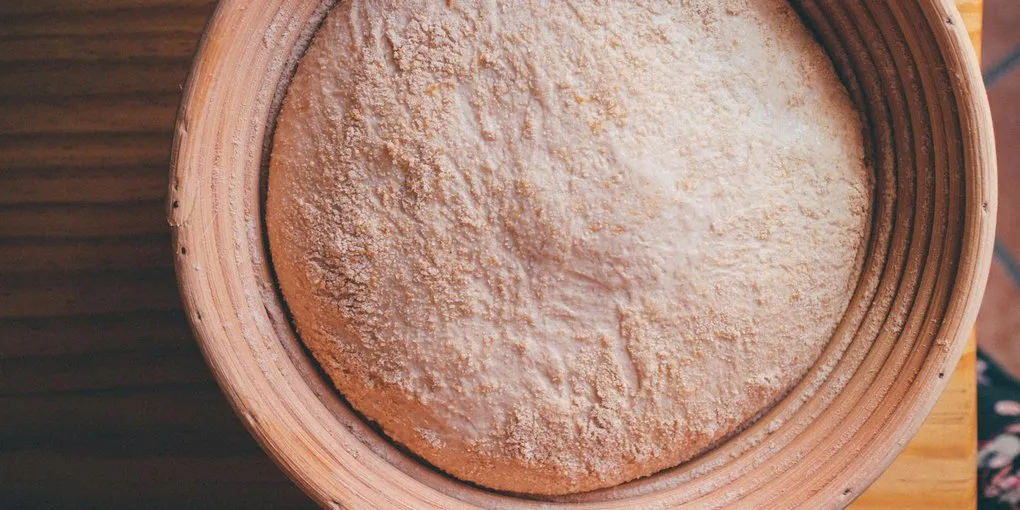
If you’ve eaten a pizza made from same-day dough and one made from a 48-hour cold-fermented dough, you noticed the difference immediately. The cold-fermented one tastes more complex, slightly tangy, deeper. That difference has a precise chemical explanation, and it comes down to temperature controlling which microorganisms dominate the fermentation.
The short answer is this: cold favors acetic acid production. Warm favors lactic acid production. They taste different, and they’re produced by different biological pathways. Understanding which is which — and why time and temperature control the ratio — explains what’s actually happening inside your dough.
Same-Day Dough Tastes Flat for a Specific Reason
Quick dough made and baked within a few hours has one thing working against it: there’s no time for anything interesting to happen. Yeast produces CO₂ for leavening, but the vast majority of flavor compounds in fermented dough don’t come from yeast alone.
They come from lactic acid bacteria (LAB) — microorganisms present on flour, in water, in the environment — that colonize dough alongside yeast and produce a cascade of organic acids, esters, alcohols, and other volatiles during fermentation. In quick dough, these organisms don’t have time to establish and produce meaningful quantities of anything. The result is a crust that tastes primarily of bread — yeasty, floury, flat.
Long fermentation changes this completely. Over 50 distinct flavor compounds form during extended cold fermentation that simply don’t exist in quick dough: alcohols, organic acids, esters, free glutamates. Each contributes something to the flavor profile — sharpness, depth, sweetness, umami, fruity notes — in quantities too small to identify individually but collectively dramatic in effect.
The Two Acid Pathways: Acetic and Lactic
Lactic acid bacteria produce acids via two main pathways depending on conditions, and temperature is the primary switch.
Lactic acid is produced via homofermentation — the direct conversion of glucose to lactic acid. Lactic acid has a mild, creamy, slightly sour character. Think yogurt or crème fraîche. LAB strains that prefer warmer temperatures (25–35°C / 77–95°F) lean toward lactic acid production. At room temperature, lactic acid-producing bacteria thrive and dominate.
Acetic acid is produced via heterofermentation — a more complex pathway that converts glucose to lactic acid plus CO₂ and ethanol, and can also produce acetic acid from ethanol via oxidation. Acetic acid is sharper, more pronounced, vinegar-like at high concentrations, but at low concentrations it reads as “tang” and complexity. The bacteria that favor acetic acid production prefer cooler temperatures and aerobic conditions.
Cold dough — fermented at 4°C (39°F) in the fridge — tips the balance toward acetic acid. The cooler temperature suppresses the lactic-acid-favoring strains and creates conditions where heterofermentative bacteria, which operate more slowly but produce acetic acid, become dominant. The result: cold-fermented dough has a relatively sharper, more pronounced acidic character than room-temperature dough, which tends toward milder, creamier lactic notes.
This is why cold-fermented pizza has that distinctive bite that same-day and warm-fermented pizzas don’t. You’re tasting the acetic acid pathway at work.
More Than Just Acid: The 50-Compound Flavor Profile
Acids are only part of the story. During long cold fermentation, enzymatic activity — amylases, proteases, and lipases working through flour’s starches, proteins, and fats — generates a broad palette of flavor precursors and compounds that simply aren’t present in short doughs.
Amylase breaks down starch into maltose and glucose. Some of these sugars feed yeast and bacteria; some survive to contribute sweetness and browning reactants in the oven. Protease breaks down gluten proteins into free amino acids, including glutamates that add umami depth. Lipase breaks down fats into free fatty acids that contribute subtle aromatic complexity.
Beyond these enzymatic products, yeast itself produces a variety of secondary compounds alongside CO₂: fusel alcohols, esters (which contribute fruity, floral notes), and organic acids. The quantity of these compounds increases with fermentation time up to about 72 hours. Beyond 72 hours in the fridge, structural degradation and off-flavor production begin to dominate, which is why the 48–72 hour window is widely considered the sweet spot.
The practical result of all this chemistry: a cold-fermented crust has flavor in its own right. It doesn’t taste like bread. It tastes like pizza — with a complex, layered quality that makes you want another bite even after the toppings are gone.
Temperature Controls the Ratio, Time Builds the Depth
These two variables — temperature and time — work on different aspects of the flavor profile.
Temperature determines which organisms and pathways dominate: warmer temperatures push toward lactic (mild, creamy), cooler temperatures push toward acetic (sharper, more complex). This is why the same flour and same yeast quantity can produce noticeably different-tasting pizzas depending on whether the dough fermented at 20°C or 4°C.
Time determines how much of each compound builds up. A 24-hour cold ferment produces noticeably more flavor than same-day dough. At 48 hours, the flavor profile is robust and well-developed. At 72 hours, you’re at peak complexity for most doughs. The improvement from 24 to 48 hours is dramatic; from 48 to 72 is meaningful but more modest; beyond 72 hours in most refrigerators, you’re managing risk more than gaining flavor.
This is also why yeast quantity matters. Standard bread recipes use 1–2% yeast for quick fermentation. Pizza recipes use 0.25–0.5% for cold ferments specifically because small yeast quantities slow gas production to match the pace of flavor compound development. Using too much yeast in a cold-ferment dough produces a bloated, over-fermented result — the yeast outpaces the LAB and enzymatic processes that build flavor.
Cold Fermentation and the Maillard Reaction
One underappreciated benefit of the flavor compound buildup in cold fermentation: it feeds the Maillard reaction in the oven.
The Maillard reaction — the browning reaction that creates the complex, roasted, charred flavors in pizza crust — requires two things: free amino acids and reducing sugars. Cold fermentation generates significantly more of both than same-day dough. Protease activity produces more free amino acids from gluten proteins. Amylase activity produces more free glucose and maltose from starch.
More Maillard reactants means more browning capacity, better leopard spots, and richer flavor in the finished crust. This is why a properly cold-fermented pizza develops those dramatic dark blisters on the cornicione — it’s not just heat; it’s the available chemistry in the dough responding to heat.
There’s a limit, though: excessive acidity (from over-fermentation beyond 72 hours) paradoxically slows the Maillard reaction. Highly acidic conditions suppress the reaction rather than enabling it. This is another reason the 48–72 hour window is optimal — you get peak Maillard reactants without the acidity becoming counterproductive.
The Flavor Compounds You Actually Taste
Listing “50 distinct flavor compounds” is accurate but abstract. It’s worth anchoring some of what that means in concrete sensory terms.
Alcohols produced during fermentation include ethanol (the primary one, which contributes a gentle warmth and background note) and fusel alcohols like isoamyl alcohol and propanol, which contribute fruity, floral, and slightly pungent notes at trace concentrations. These volatiles mostly bake off in the oven but leave flavor precursors behind.
Esters form when alcohols react with organic acids during fermentation. Ethyl acetate contributes a fruity, slightly solvent note at high concentrations (associated with over-fermentation) but a pleasant floral character at low concentrations. Isoamyl acetate contributes banana-like fruitiness — detectable in small amounts in well-fermented sourdoughs.
Free glutamates from protease activity are the savory backbone. Glutamate is the amino acid that activates umami taste receptors. A cold-fermented crust with adequate protease activity will have noticeably more savory depth than same-day dough — not because you added anything, but because the dough’s own proteins were broken down into their constituent amino acids over time.
Diacetyl — a buttery compound produced by certain LAB strains — contributes buttery, creamy notes to the flavor at low concentrations. It’s part of what makes well-fermented pizza crust taste rich even without added fat.
None of these compounds dominate individually. The effect of 50+ compounds at trace concentrations is more than the sum of its parts — a complex background that makes the crust interesting on its own, even before sauce, cheese, and toppings enter the picture.
What Sourdough Adds
A natural sourdough starter amplifies all of these effects. A living starter contains an established colony of lactic acid bacteria alongside wild yeast. Because these LAB are already active and numerous, they begin producing organic acids more rapidly and in greater variety than commercial-yeast dough.
Sourdough cold fermentation produces a more pronounced acid profile — more acetic acid at cold temperatures, more complex flavor compound variety — than commercial yeast cold fermentation at the same timeline. This is why sourdough pizza has a more distinctly tangy, complex flavor than commercial-yeast cold-fermented pizza, even at the same 48-hour cold hold.
The tradeoff is control. Commercial yeast fermentation is predictable: the same yeast quantity + same temperature + same time produces the same result. Sourdough starters vary in LAB population, activity level, and composition, making the flavor profile less consistent but potentially more interesting.
Why This Matters for Same-Day Bakers
If you’re making pizza the same day you mix the dough, you can partially compensate for the absence of cold fermentation’s acid complexity by extending the room-temperature fermentation as long as practical (6–10 hours rather than 2–3 hours), using a poolish pre-ferment, or incorporating a small percentage of mature sourdough starter.
A poolish mixed 12–18 hours ahead and fermented at room temperature develops significant lactic acid character and a portion of the aromatic compound range that cold fermentation produces. The acetic acid pathway is less active (warm temperatures suppress it), so the flavor profile leans milder and creamier than cold-fermented dough, but it’s dramatically better than a straight same-day mix.
The cold ferment, though, remains the simplest and most reliable path to a genuinely complex-tasting crust: mix the night before, refrigerate, bake tomorrow or the day after. The chemistry — controlled by temperature, paced by time, driven by yeast and bacteria working together — takes care of itself.
Frequently Asked Questions
- Can you taste the difference between acetic and lactic acid in pizza?
- Yes, though rarely as isolated notes — they combine with dozens of other flavor compounds. Lactic acid gives a mild, round, creamy sourness similar to yogurt or buttermilk. Acetic acid gives a sharper, more assertive tang closer to a mild vinegar note. Cold-fermented commercial-yeast dough tends toward acetic; room-temperature-fermented dough tends toward lactic; sourdough doughs at cold temperatures often produce both in quantity. Most people describe the overall effect as 'depth' or 'complexity' rather than identifying individual acids.
- Does freezing dough destroy the flavor compounds that cold fermentation builds?
- Freezing stops active fermentation, so any flavor development stops at the moment of freezing. However, flavor compounds already built up in the dough survive freezing intact — acids, alcohols, and esters are stable at freezer temperatures. If you freeze a dough after 48 hours of cold fermentation, the flavor will reflect 48 hours of development when you bake it later. If you freeze an under-developed dough hoping fermentation will continue in the freezer, it won't — the biology stops.
- Why do some pizzerias advertise '72-hour cold fermentation' specifically?
- 72 hours in the fridge represents the practical peak of flavor compound development for most high-protein doughs. At 24 hours, improvement is significant but the full acid and ester profile hasn't built. At 48 hours, the dough is excellent. At 72 hours, you're at the top of the complexity curve. Beyond 72 hours, structural degradation from continued protease activity begins to outpace flavor gains, and off-flavors can develop. The 72-hour claim is also marketable — it signals craft, patience, and genuine process to customers.
- Does the type of yeast (fresh, active dry, instant) affect the flavor compounds produced?
- The yeast type has minimal direct effect on the organic acid profile — that's primarily driven by lactic acid bacteria, not by yeast strain. The yeast type affects gas production rate and gluten interactions. Active dry yeast releases glutathione from its dead cells during rehydration, which can slightly weaken gluten (reducing structural quality). Instant yeast has fewer dead cells and is generally preferred for long cold ferments by most technical sources. Neither type meaningfully alters the acetic vs lactic acid balance, which is driven by LAB populations and temperature.
- Is it possible to cold-ferment too briefly and get a worse result than same-day dough?
- Only in one specific scenario: if you cold-ferment for 4–6 hours and pull the dough while it's still partially cold, the gluten will be stiff and the yeast will be sluggish. The dough won't have had time to build flavor compounds, but it also won't be ready to bake. In that in-between zone, you'd be better served by leaving it at room temperature for the same 4–6 hours. Cold fermentation payoff begins at around 24 hours, which is when flavor compound development becomes meaningfully better than a room-temperature same-day ferment.