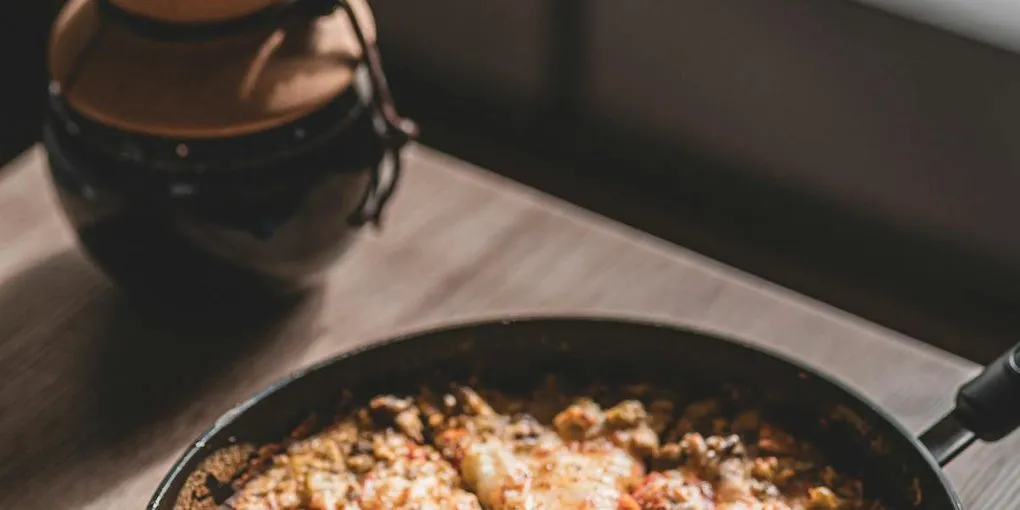
Cold pizza has its fans. But reheated pizza done right — crisp bottom, molten cheese, crust that tastes like it just came out of the oven — is better than both cold leftovers and a lot of freshly delivered pizza. The difference between great reheated pizza and the sad, rubbery thing most people settle for comes down to one molecule: starch.
Why Leftover Pizza Gets Stiff (and Why Heat Fixes It)
When pizza cools after baking, the starch molecules in the crust undergo a process called retrogradation. The starch chains, which gelatinized and softened during baking, reassociate into rigid crystalline structures as they cool. Amylose — the straight-chain starch that wheat flour has in abundance — recrystallizes much faster than amylopectin. This is why wheat-based bread and pizza crust stales faster than rice-based products.
The good news: retrogradation is partly reversible. Apply heat, and those crystalline structures loosen back up. The crust softens. The chew returns. For a few glorious minutes, you are back to freshly baked texture.
The bad news: each reheat-cool cycle accelerates future staling. The starch recrystallizes faster and more completely the second time around. This is why twice-reheated pizza always tastes worse than once-reheated pizza, no matter what method you use. Reheat your leftovers once. Do it right. Do not plan on a third life for that slice.
What You’re Actually Trying to Do
Every reheat method is solving two problems simultaneously:
- Re-crisp the bottom crust. This requires direct conductive heat — metal touching dough. Radiant heat from an oven works too, but slower.
- Re-melt the cheese without overcooking it. Cheese fat melts at 38C (100F), but the interesting stuff happens between 55-80C (130-176F), where protein-water-calcium interactions shift and the cheese becomes stretchy again. Push above 100C (212F) and the remaining water turns to steam, creating blisters and browning. For reheating, you want the cheese hot and flowing but not blistered — you already got those Maillard browning reactions the first time around.
The best methods deliver bottom heat fast and top heat gently. The worst methods (naked microwave) heat everything uniformly and crisp nothing.
Method 1: Cast Iron Skillet (The Best Method)
This is the gold standard. Nothing else comes close for a single slice or two.
How to do it:
- Place your cast iron skillet on the stovetop over medium heat. Let it preheat for about 2 minutes — the pan should be warm but not smoking.
- Place your pizza slice directly in the dry skillet. No oil needed.
- Cook uncovered for 2 minutes. The bottom will start to crisp and you will hear it sizzle faintly.
- Add 2-3 drops of water to the pan (away from the pizza, on the bare metal). Immediately cover with a lid or sheet of foil.
- Reduce heat to medium-low. Cook covered for another 2-3 minutes.
- Remove the lid. The cheese should be melted and gooey, the bottom should be re-crisped, and the crust should be soft and warm throughout.
Why it works: The hot cast iron delivers intense conductive heat to the bottom of the crust — same principle as a pizza steel in your oven. The lid traps steam from those water drops, creating a mini convection environment that melts the cheese from above without drying it out. You get bottom crispness AND top melt, which is what separates this from every other method.
Total time: 5-6 minutes.
Method 2: Oven on a Steel or Stone (Best for Multiple Slices)
When you have three or more slices to reheat, firing up the oven makes more sense than doing them one at a time in a skillet.
How to do it:
- Place your baking steel or stone on the center rack. Preheat to 375F for at least 20 minutes. The surface needs to be hot, not just the air.
- Place slices directly on the hot steel or stone. No pan, no foil, no parchment.
- Bake for 5-8 minutes. Check at 5 — you want the cheese bubbling and the bottom crisp when you lift an edge with a spatula.
Why it works: The preheated steel or stone re-crisps the bottom through direct conduction, while the oven air remelts the cheese. At 375F you get enough heat to reverse starch retrogradation throughout the crust without pushing the cheese past the browning point a second time.
No steel or stone? Use an inverted sheet pan (preheated). It conducts heat better than a rack and gives you a flat surface. Not as effective as steel, but decent.
Total time: 25-30 minutes including preheat. Worth it for 4+ slices.
Method 3: Air Fryer (Fast, Surprisingly Good)
Air fryers circulate hot air aggressively, which is excellent for re-crisping. The small chamber heats fast, and the convection melts cheese evenly.
How to do it:
- Preheat air fryer to 325F for 2 minutes.
- Place slices in a single layer in the basket. Do not overlap.
- Cook 3-4 minutes. Check at 3.
Why it works: Rapid convection heat at moderate temperature hits the sweet spot — enough to reverse retrogradation and re-crisp exposed surfaces, not enough to scorch the cheese or dry out thin crust. The perforated basket lets air circulate under the slice, which helps the bottom (though not as effectively as conductive heat from cast iron).
The catch: Air fryer baskets vary wildly in size. Most fit 1-2 slices at a time. And very thin crust can overcook at the edges before the center is fully reheated. If you are reheating thin crust Neapolitan, drop the temperature to 300F and check at 2 minutes.
Total time: 5-6 minutes including preheat.
Method 4: Skillet + Water Drop Trick (The TikTok Method)
This is the method that went viral: put pizza in a dry skillet, add a few drops of water, cover with a lid. It is actually very similar to Method 1 — the difference is that some versions skip the initial uncovered crisping phase and start with the lid on immediately.
How to do it:
- Place pizza in a cold or slightly warm skillet.
- Add 2-3 drops of water to the pan (not on the pizza).
- Cover and cook over medium-low heat for 5-6 minutes.
Does it work? Yes, but with a caveat. Starting covered from a cold pan means the bottom gets less direct crisping time. The steam melts the cheese beautifully — that part is real — but the crust can end up softer on the bottom than the true cast iron method. It is a gentler reheat, which is fine for thick, doughy crusts but underwhelming for thin, crispy styles.
The skillet method in Method 1 is strictly better because it gives you that uncovered crisping phase first. The TikTok shortcut gets you 80% of the way there with less attention required. Fair trade-off for a Tuesday night.
Total time: 5-6 minutes.
Method 5: Microwave (When You Have No Other Choice)
The microwave is the worst way to reheat pizza. It is also the fastest. Sometimes speed wins.
The problem is physics: microwaves heat water molecules. Pizza crust is full of water molecules trapped in retrograded starch. The microwave re-gelatinizes the starch (softening it) and generates steam, but that steam has nowhere to go. The crust gets soggy and chewy. The cheese overheats unevenly. The whole thing feels rubbery within 30 seconds of coming out.
If you must:
- Place the slice on a microwave-safe plate.
- Put a small microwave-safe cup of water next to the pizza. (This absorbs some microwave energy, reducing the intensity of heating and limiting moisture loss from the pizza itself.)
- Microwave at 50% power for 60-90 seconds. Do not use full power.
- Eat immediately. Microwaved pizza stales again faster than any other method — the retrogradation accelerates because you have now put the starch through a second heat-cool cycle at aggressive speed.
Total time: 2 minutes.
What Never to Do
Toaster oven without preheating. A cold toaster oven takes 8-10 minutes to reach temperature. Your pizza sits in lukewarm air for the first half of that time, drying out the cheese while the crust stays limp. If you use a toaster oven, preheat it fully first, then treat it like Method 2.
Naked microwave at full power. No cup of water, no reduced power. This is how you get the rubber-cheese, cardboard-crust experience that makes people say they prefer cold pizza. They don’t prefer cold pizza. They just haven’t experienced a properly reheated slice.
Style-Specific Tips
Not all pizza reheats the same way. The crust thickness, cheese type, and original bake all matter.
Thin crust (Neapolitan, New York, bar pizza): The cast iron skillet (Method 1) is the clear winner. Thin crust overcrisps fast in an air fryer and gets soggy fastest in a microwave. In the skillet, keep the heat at medium or medium-low — thin crust can go from perfectly crisp to burned in under a minute. Two minutes uncovered, then 2 minutes covered with the water drops.
Deep-dish and pan pizza: The oven (Method 2) works best here. Deep-dish is thick — it needs time for heat to penetrate through all that dough and filling. A skillet re-crisps the bottom fine but can leave the center cold. In the oven at 375F, give it 8-10 minutes. Cover loosely with foil for the first 5 minutes if the cheese is already well-browned from the original bake.
Detroit-style and Sicilian: These thick, focaccia-like crusts actually reheat well in the oven because they have high oil content in the crust. The oil helps re-crisp the exterior. Oven at 375F, 6-8 minutes, directly on a steel or stone. The cheese edges (the “frico”) will re-crisp nicely.
Stuffed crust or extra-cheesy styles: Lower and slower. The extra cheese mass needs time to heat through evenly. Oven at 350F or skillet on medium-low with the lid on for an extra minute. Rushing it gives you scorched bottom and cold interior cheese.
Storage Matters Too
Reheating can only do so much if the pizza was stored badly. A few rules:
- Refrigerate within 2 hours of baking. The USDA “danger zone” (40-140F) applies. Pizza left on the counter overnight is a food safety question, not a quality question.
- Store slices in a single layer in an airtight container or wrapped individually in plastic wrap, then foil. Stacking slices traps moisture between them and accelerates sogginess.
- Eat within 3-4 days. After that, retrogradation has progressed far enough that reheating cannot fully reverse the staling. The texture will be noticeably worse.
- Freezing works for longer storage (up to 2 months). Wrap individual slices tightly in plastic wrap, then foil. Thaw in the refrigerator overnight before reheating. Do not microwave frozen pizza slices directly — the outside will scorch while the center stays frozen.
The Bottom Line
The cast iron skillet with the water-drop lid trick is the best way to reheat pizza. It takes 5 minutes, it re-crisps the bottom, it melts the cheese, and it brings back the soft chew in the crust. For multiple slices, preheat your oven with a steel or stone. For speed, the air fryer is respectable. The microwave is a last resort.
Whatever you do, reheat it once. Starch retrogradation gets worse with each cycle. Your best leftover pizza is your first reheated leftover pizza.
For better pizza in the first place — the kind that makes great leftovers — see our home oven baking guide and our breakdown of low-moisture vs fresh mozzarella for choosing the right cheese.
Frequently Asked Questions
- What is the best way to reheat thin crust pizza?
- Cast iron skillet, every time. Place the slice in a preheated skillet over medium heat, cook uncovered for 2 minutes to crisp the bottom, then add 2-3 drops of water to the bare pan and cover with a lid for another 2 minutes. Thin crust responds best to direct conductive heat because there is less dough to heat through. Avoid the air fryer for very thin slices (Neapolitan, bar pizza) because the edges can overcrisp before the center is fully warm.
- What is the best way to reheat deep-dish pizza?
- The oven at 375F is the best method for deep-dish. Deep-dish pizza is thick with multiple layers of dough, cheese, and filling that need time for heat to penetrate evenly. A skillet will re-crisp the bottom but often leaves the center cold. Place slices on a preheated baking steel or stone and bake for 8-10 minutes. If the cheese is already well-browned from the original bake, cover loosely with foil for the first 5 minutes to prevent over-browning.
- Can you reheat frozen pizza slices?
- Yes, but thaw them in the refrigerator overnight first. Going straight from freezer to heat source causes uneven results -- the outside scorches or dries out while the center stays frozen. After thawing overnight, reheat using the cast iron skillet method or the oven method as if it were regular refrigerated leftovers. Frozen pizza slices keep for up to 2 months if wrapped individually in plastic wrap and then foil.
- How long does leftover pizza last in the fridge?
- Three to four days, stored properly. Refrigerate pizza within 2 hours of baking (within the USDA safe zone guidelines). Store slices in a single layer in an airtight container or wrapped individually. After 4 days, starch retrogradation has progressed to the point where reheating cannot fully restore the original texture, and food safety becomes a concern.
- Why does microwaved pizza get rubbery?
- Microwaves heat water molecules. Pizza crust is full of water trapped in retrograded starch crystals. The microwave re-gelatinizes the starch (temporarily softening it) and generates steam, but that steam has nowhere to escape. The result is a crust that is simultaneously soggy and chewy. The cheese overheats unevenly. Once microwaved pizza cools again, the starch recrystallizes even faster than it did the first time. If you must use the microwave, use 50% power and place a small cup of water next to the slice.
- Does the water-drop trick actually work for reheating pizza?
- Yes, the steam from 2-3 drops of water in a covered skillet genuinely helps melt the cheese. The water vaporizes on contact with the hot pan, and the lid traps that steam, creating a mini convection environment that heats the top of the pizza. For the best results, combine both techniques: 2 minutes uncovered in a preheated skillet to crisp the bottom, then add the water drops and cover for 2-3 more minutes to melt the cheese.
- What temperature should I use to reheat pizza in the oven?
- 375F is the sweet spot. It is hot enough to reverse starch retrogradation and re-melt cheese without pushing the cheese past its browning point a second time. Lower temperatures (325-350F) work for very thick or heavily topped slices. Higher temperatures (400F+) risk burning the bottom or over-browning the cheese. Always preheat for at least 20 minutes with your baking steel or stone inside.