Dough 10 min read
W-Value and P/L Ratio: Reading Italian Flour Specs
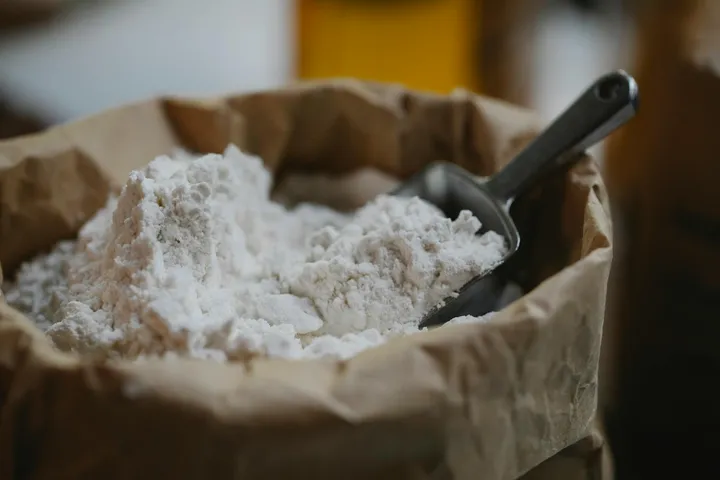
Protein percentage is the metric American bakers know. It's printed on every bag, discussed in every recipe, and used as shorthand for flour strength....
Protein percentage is the metric American bakers know. It's printed on every bag, discussed in every recipe, and used as shorthand for flour strength....
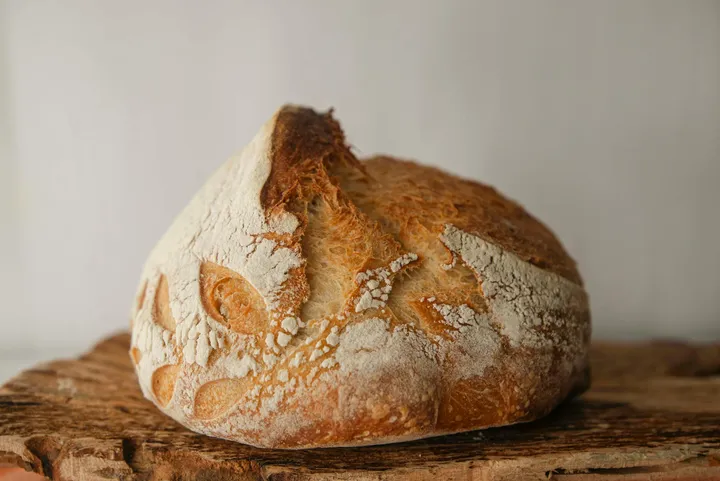
If you maintain a sourdough starter for bread, you already have the most powerful flavor tool available for pizza dough. Sourdough pizza produces a...
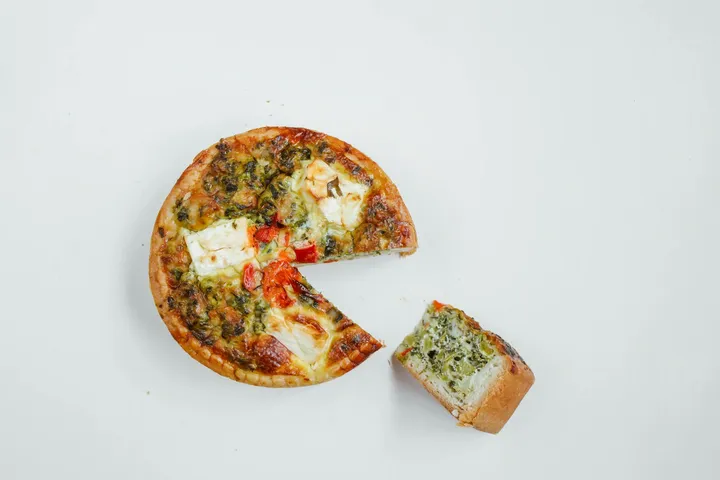
Two thick-crust, pan-baked pizzas. Both come from Italian-American kitchens. Both are rectangular and served in squares. But Sicilian and Grandma are...
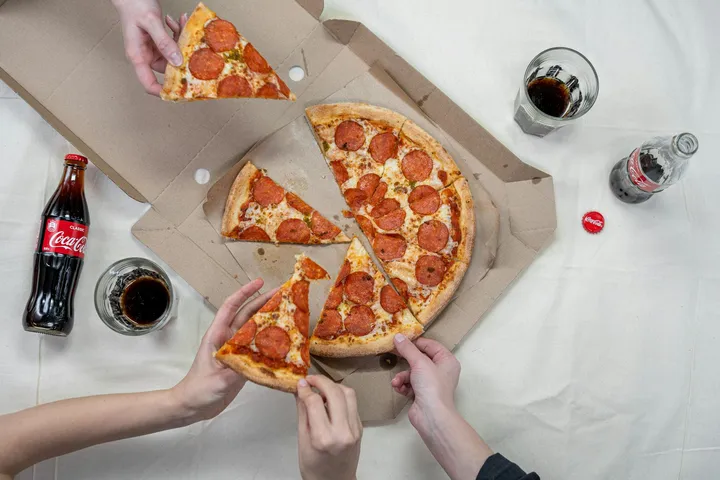
Making pizza for two people is technique. Making pizza for twenty people is logistics. The dough science does not change when you scale up. Everything...
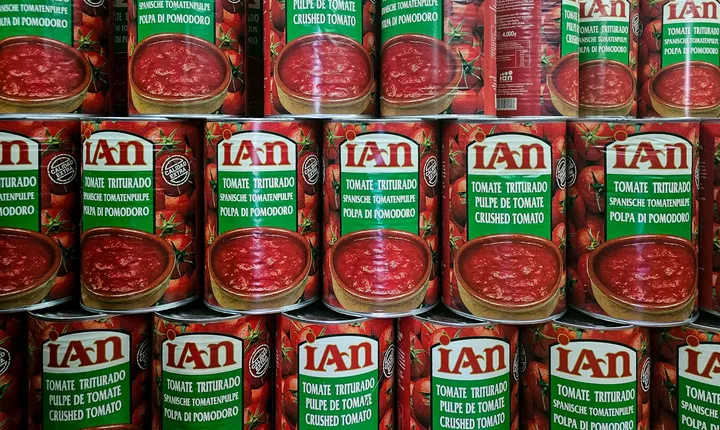
Walk into any grocery store's canned tomato aisle and you'll face a wall of options: San Marzano DOP, San Marzano-style, whole peeled, crushed, diced,...
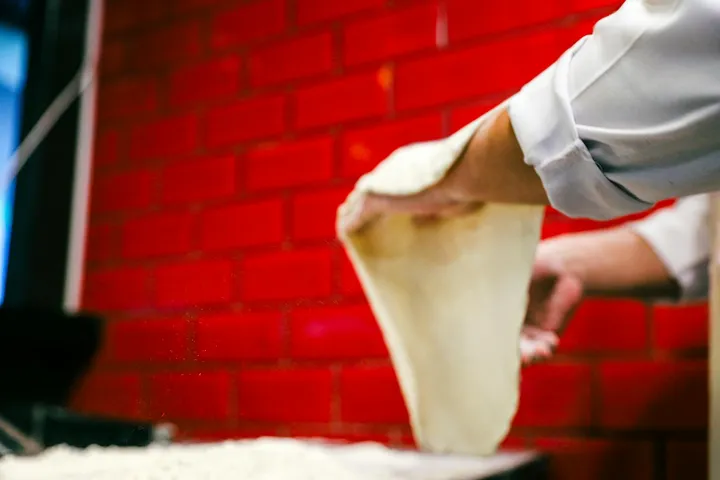
Salt is one of four ingredients in the simplest pizza dough, yet it's doing more work than the other three combined. Remove the yeast and your dough...
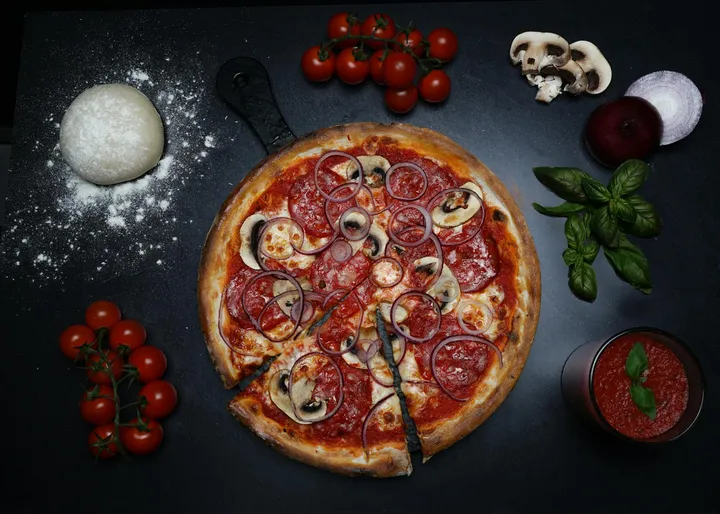
Walk into any bakery in Rome and you'll see rectangular slabs of pizza behind glass, cut to order with scissors, weighed on a scale, wrapped in paper,...

The enemy is moisture. Every topping you put on pizza either releases water during baking or absorbs it. Get this wrong and you end up with a soggy...
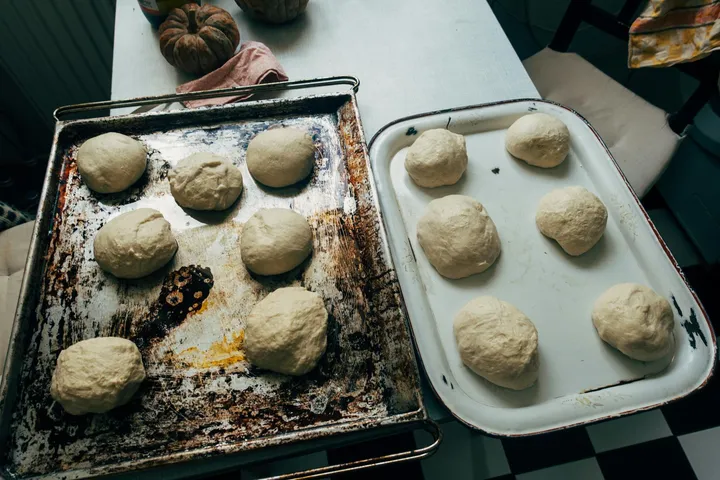
A preferment is a portion of the final dough's flour and water, mixed with a small amount of yeast, and fermented hours before you make the dough...
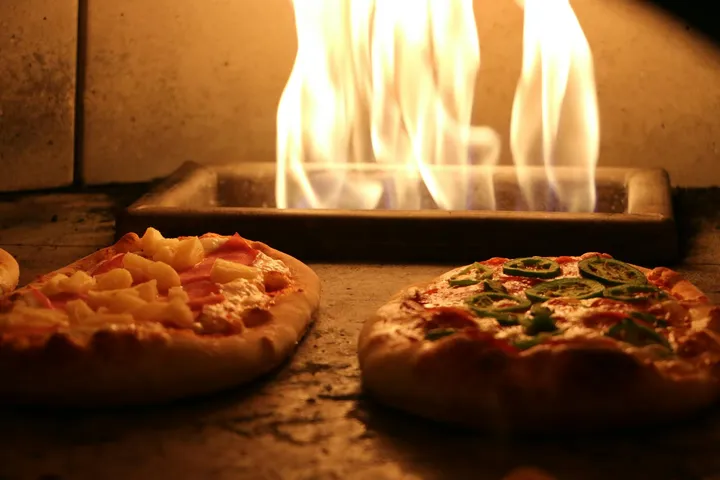
If you bake pizza at home, upgrading your baking surface is the single highest-impact equipment change you can make. The difference between pizza baked...
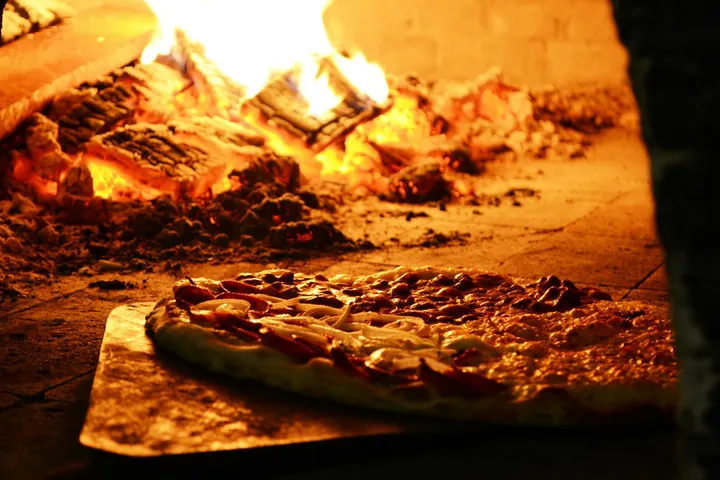
A 500F home oven and a 500F wood-fired oven produce completely different pizzas. The home oven takes 7-8 minutes and dries the crust out. The...
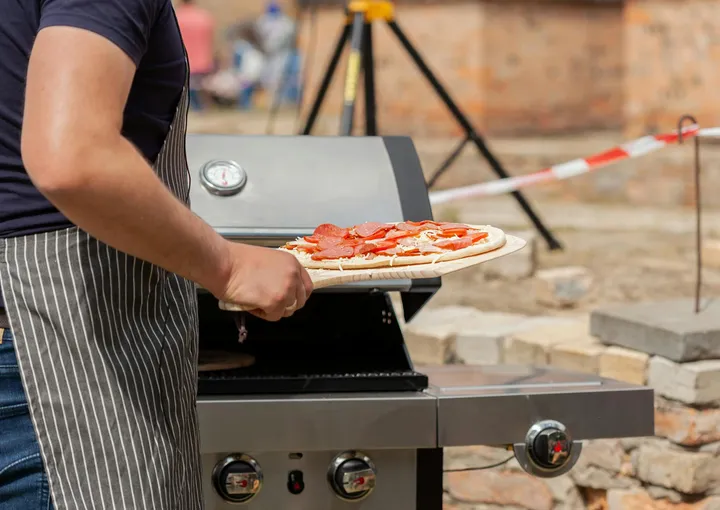
Your gas grill can reach temperatures your kitchen oven can only dream about. Most home ovens max out at 500-550F. A standard three-burner gas grill,...
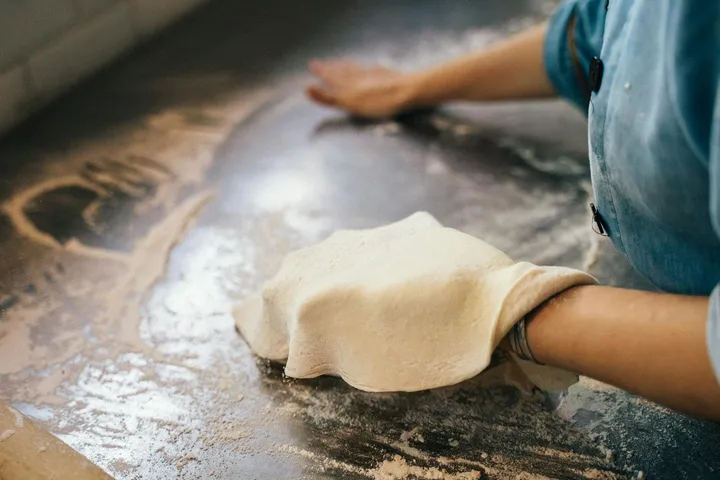
Most pizza dough problems fall into four categories: sticky, tough, dense, or bland. Each has specific causes rooted in the interaction between flour,...
Cups and tablespoons are the enemy of consistent pizza dough. A "cup of flour" can weigh anywhere from 120g to 160g depending on how you scoop it. That...
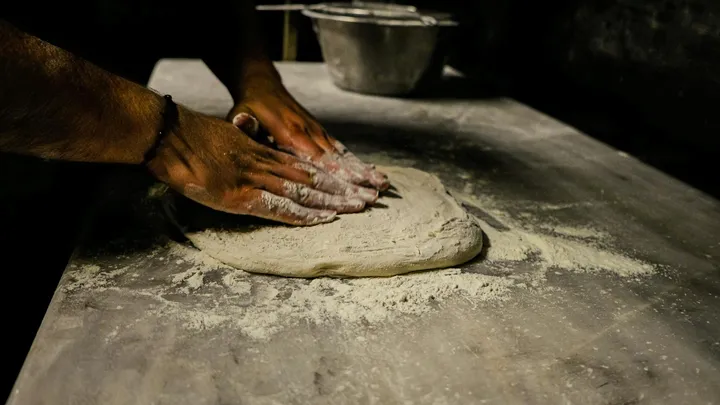
There are three fundamentally different ways to develop gluten in pizza dough, and they produce noticeably different crusts. Hand mixing gives you...